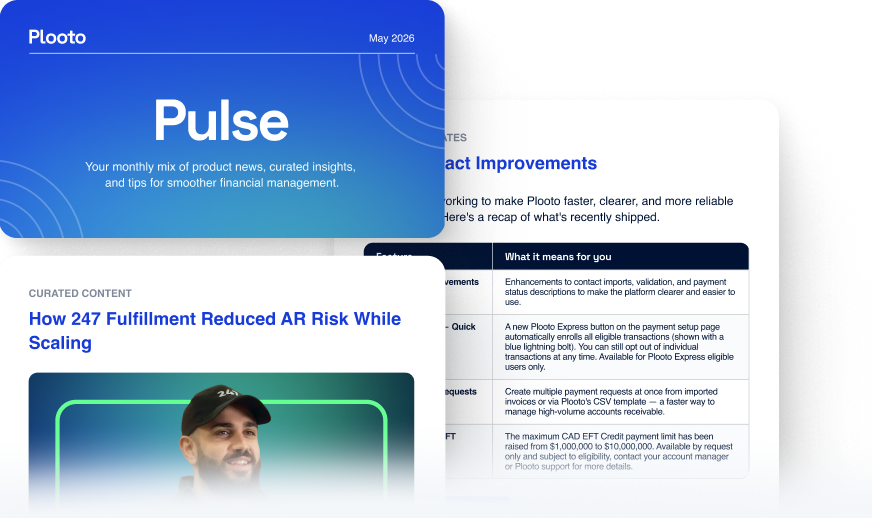
The Plooto Blog
Dunning Letters: 5-Step Process, Templates, and Automation
Manage DSO with a 5-stage dunning process, email templates, and automation tips that preserve customer relationships and speed up payments.

From payment processor to trusted advisor
There’s a version of bookkeeping that’s essentially a commodity. Bills go in, payments go out, the ledger balances. It’s valuable, but it’s not..
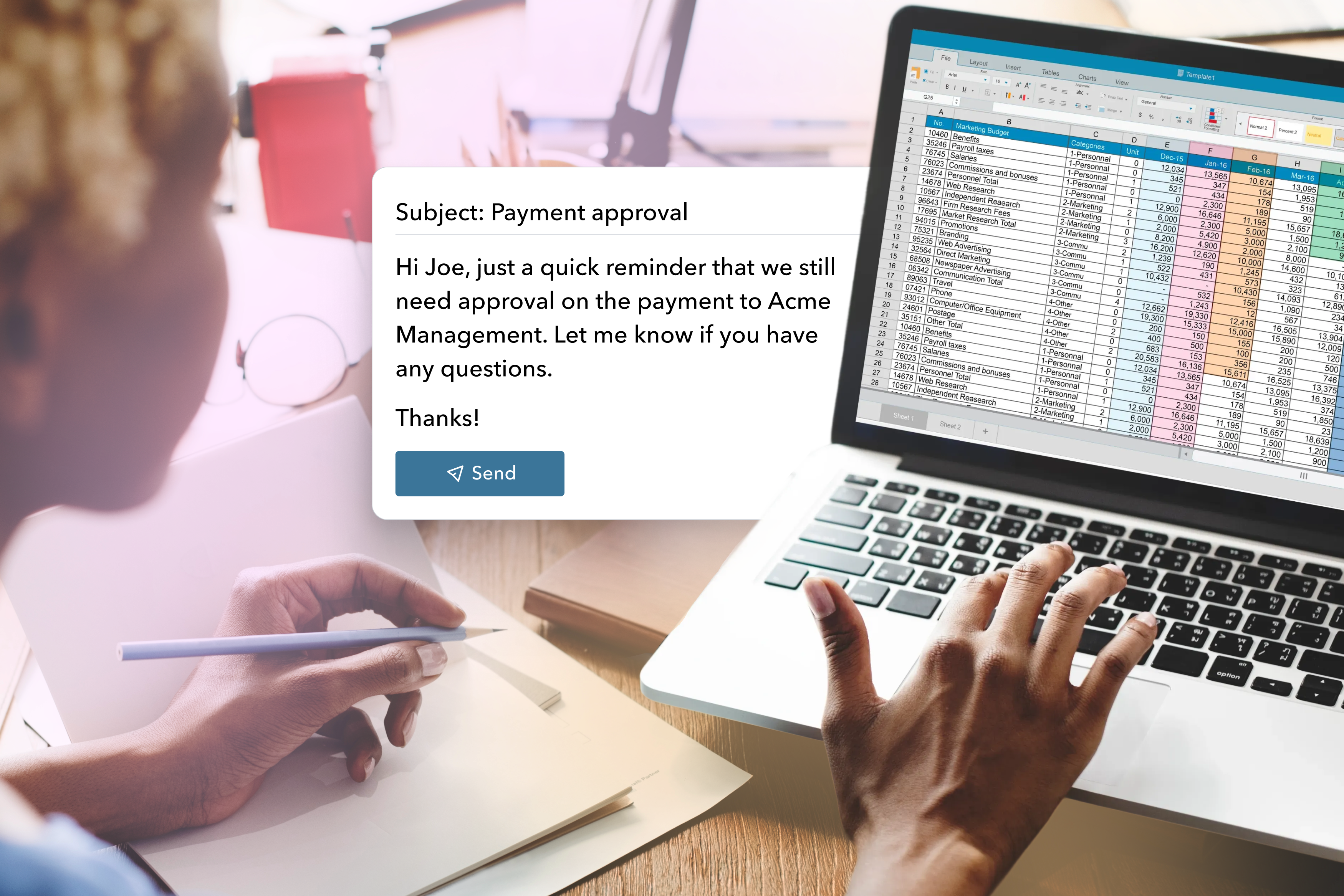
Understanding the cost of manual payments
Most bookkeepers know that managing client payments manually takes time. What’s less obvious is how much that time is actually costing and what it’s..

CEI Metric guide for accounting: improve AR collections and cash flow
Discover how to calculate CEI, benchmark performance, and improve AR collections with this essential KPI finance teams overlook. Key takeaways The..

Building trust through good nonprofit governance
Donors don't just give to causes; they give to organizations they trust. And while your programs, your people, and your track record all play a role..

The Remote Bookkeeper’s Checklist
Running a bookkeeping firm where you can work from anywhere requires the right digital foundations: workflows that run without your physical..

Cash conversion cycle: How to calculate CCC and how AP/AR automation improves it
The CCC crash course for CFOs: Nail the cash conversion cycle formula (DIO, DSO, DPO) to improve cash flow, liquidity, and working capital..

AP automation ROI: Why firms need one unified AP system
Discover how AP automation drives ROI at every step by cutting costs and scaling efficiency across clients with one unified accounts payable system. ..

DSO explained: What days sales outstanding means and how to manage
Learn DSO meaning, formula, benchmarks, and how to manage days sales outstanding to improve cash flow and accounts receivable performance. Key..

Safeguarding your NPO from fraud
Every dollar your nonprofit receives represents someone's trust in your mission. A donor wrote a cheque, a foundation approved a grant, a community..
Why QuickBooks users need Plooto
If you're running a Canadian business and using QuickBooks Online (QB0), you're already ahead of the curve. QBO is excellent at tracking income and..